COCONUT has been known for its essential oil and milk, but the water inside the seed could be the healthful sports/energy drink researchers have been looking for. CHUKWUMA MUANYA writes.
In recent times, the sports and energy drinks industry has been shrouded in a lot of hype and controversy. While the demand is soaring, medical experts warn that some of these drinks could be harmful because they contain abnormal quantities of sugar and caffeine, and could hasten the onset of type 2 diabetes, heart attacks and stroke.
However, researchers have discovered a natural alternative that does not just boost energy levels in joggers and athletes, but lowers blood sugar levels/diabetes risk.
Researchers, with support from the United Nation Food and Agricultural Organisation (FAO) have validated a natural and safe alternative to conventional sports and energy drinks: Coconut water.
Nigerian researchers have also confirmed the blood glucose lowering effects of coconut water, and have recommended it for the management of diabetes. They, however, say that coconut water does not actually have any protective effect on the liver against toxicity of paracetamol over-dosage.
Cocus nucifera (coconut) is traditionally recognised for its medicinal properties among several other uses. The use of coconut water to counteract poisons is a common practice in Africa as well as India. It has severally been used as an immediate remedy for drug overdosage.
Coconut water, the liquid endosperm of green coconuts abounds in essential nutrients such as proteins, amino acids, sugars, vitamins, minerals and growth factors, that support healthy cell growth and hydration, and finds versatile applications in cosmetics and nutricosmetics.
Until now, coconut water has been used for rehydration and as a health and beauty aide in tropical regions around the world for centuries.
A cup of coconut water from the young green coconut has been shown to be low in calories, has no fats or cholesterol, and has a natural balance of sodium, potassium (about 600 milligrams, that is more than a banana), calcium and magnesium- making it a healthy electrolyte drink. It has even been used intravenously, directly into the human blood stream, to stabilize electrolytes or treat people who were severely dehydrated.
In fact, during the Pacific War of 1941 to 45, both sides in the conflict regularly used coconut water - siphoned directly from the nut - to give emergency plasma transfusions to wounded soldiers.
Studies have shown that coconuts are anti-viral, anti-fungal and anti-microbial. It is recommended that mixing coconut water with other juices for a tasty blend, increases the health benefit and decreases the amount of calories and sugars in the drink.
Previous studies indicated that coconut water lowers arterial pressure, eliminates swelling in hands and feet, normalizes the intestinal function and raise metabolism, relieves spasms and stomach pain, eases burns, rehydrates naturally because it is free of added sugars or chemicals, and heals damage induced by antibiotics and toxins in the digestive tract.
Indeed, players in the world's $1 billion market for 'sports and energy beverages' may find themselves facing an unexpected new competitor in coconut water. FAO has taken out a patent - its first ever - on a new process that would allow manufacturers to bottle coconut water that is biologically pure, very tasty and full of the salts, sugars and vitamins demanded by both sweating urban joggers and serious athletes.
The process was invented by Morton Satin, Chief of AG's Agricultural Industries and Post-harvest Management Service (AGSI), whose previous food inventions include high-fibre white bread and wheatless bread.
"Fresh coconut water is already highly valued in tropical countries," he said. "A young coconut between six and nine months contains about 750 ml of water - really, its juice that eventually becomes the flesh.
"It is a natural isotonic beverage, with the same level of electrolytic balance as we have in our blood. It is the fluid of life, so to speak."
Most coconut water is still consumed fresh in tropical coastal areas - once exposed to air, the liquid rapidly loses most of its organoleptic and nutritional characteristics, and begins to ferment. But the production of coconut beverages, particularly as a byproduct of processing operations such as coconut cream processing and coconut dessication, has long interested food manufacturers.
Most commercial production today is carried out in Indonesia, the Philippines and Thailand, using high-temperature/short-time pasteurization (the same technology used in UHT long-life milk). But thermal processing has a drawback - it eliminates not only the risk of bacteria, but some of coconut water's nutrients and almost all of its delicate flavour. This severely limits the product's marketability.
"The way we saw it, coconut water only had a future if we could invent a new cold sterilization process that retained its flavour and all its nutritional characteristics," Satin explained. "The answer was microfiltration technology: you filter the water through a medium - such as porcelain or a polyacrylic gel - that retains all microorganisms and spores and renders the permeate commercially sterile."
Drawing on his experience in the pharmaceutical industry, Satin conceived the new process "in about five minutes" and tested it on four coconut varieties with the help of an Italian consultant food technologist, Giuseppe Amoriggi. They also processed coconut water with added sucrose and L-absorbic acid, to approximate the vitamin and energy content of major sports drinks. When the inventors noticed some discoloration in the water of one coconut variety - albeit an "attractive pink" - they added lime juice to retain its original transparency. Finally, they called in a panel of tasters, who could detect no difference between fresh coconut water and what came out the other end of the FAO filtering laboratory.
Late in 1997, FAO officially submitted the new process to patent offices in Canada, Japan and the United Kingdom. The United Kingdom patent was granted in May 2000. The Organization is developing a licensing policy so that the process can be made freely available to a wide range of manufacturers. The main beneficiaries - apart from sportspeople - will be tropical countries that process or export coconuts, and small farmers who grow them.
Morton Satin sees coconut water as a natural contender in the sports drink market. "Just think of it," he said. "What could be better than a natural beverage product with the delicate aroma, taste, drinking characteristics and nutritional value of pure, fresh, tender coconut water, plus all the functional characteristics required of a sports drink?"
The new process was conceived and tested on four coconut varieties with the help of a consulting Italian food technologist, Giuseppe Amoriggi. They also processed coconut water with added sucrose and L-absorbic acid, to approximate the vitamin and energy content of major sports drinks. When the inventors noticed some discoloration in the water of one coconut variety - albeit an "attractive pink" - they added lime juice to retain its original transparency. Finally, they called in a panel of tasters, who could detect no difference between fresh coconut water and what came out the other end of the laboratory.
Miracle Group has developed coconut water-based sports drink for the global market.
Nigerian researchers have examined the blood sugar lowering effect of coconut water. The researchers include: Salihu M. Ajao, O. J. Oshiba, Rabiu O. Jimoh, Sikiru A. Jimoh, Ayokunle Olawepo and Adesola I. R. Abioye of the Department of Anatomy; and Luqman A. Olayaki of the Department of Physiology, Faculty of Basic Medical Sciences, College of Health Sciences, University of Ilorin, Ilorin, Kwara State.
The study is titled "Comparative study of the hypoglycemic effects of coconut water extract of Picralima nitida seeds (Apocynaceae) and Daonil in alloxan-induced diabetic albino rats."
The study compared the hypoglycemic (blood glucose lowering) effects of coconut water extract of Picralima nitida seeds to that of Daonil in alloxan-induced diabetic albino rats.
According to the study published in African Journal of Biotechnology, 25 albino rats weighing between 170 - 200 g were randomly divided into five groups after allowing the rats to acclimatize for seven days and were made diabetic by intraperitoneal administration of 150 mg/kg of alloxan.
The rats were giving different volumes of the extract and Daonil as per their groupings. All the substances were given for five days by oro-gastric tube. The blood glucose level were measured daily in the rats. There was an initial inactivity in the rats following administration of the extract mixture and their appetite was low except for the control group.
The researchers concluded: "Therefore, coconut water extract of P. nitida seeds have a significant hypoglycemic (lowers blood sugar) effects in alloxan-induced diabetes comparable to that of the Daonil, hence, it could be an effective adjunct in the management of diabetes mellitus."
In another study, Nigerian researchers have established that the common use of coconut water as a palliative for drug over-dosage is contraindicated.
The new study provided a scientific basis with which to validate the claims of this practice. It also investigated the safety of this practice by testing the effect of coconut water on the liver of patients who have taken overdose of paracetamol.
Harrison U. Nwanjo and Emma A. Nwokoro of the Department of Medical Laboratory Sciences, Imo State University Owerri; and Okey A. Ojiako of the Department of Biochemistry, Federal University of Technology, Owerri, have investigated for its possible effect on the acetaminophen (paracetamol) overdosage-induced hepatotoxicity (damaging to the liver) in three groups of albino Wistar rats.
The study is titled "Enhancement of acetaminophen overdosage-induced hepatotoxicity by coconut water."
The study was published in the journal of the Nigerian Society for Experimental Biology, Biokemistri.
The researchers wrote: "In concluding therefore, we posit that coconut water does not actually have any protective effect on the liver against toxicity of paracetamol overdosage. Rather, it could enhance the hepatotoxic effect of paracetamol overdosage. The practice of administering coconut water immediately following known or accidental poisoning by paracetamol may therefore be said to be an erroneous practice which should be discouraged.
"We recommend that more verification be done and the results of such findings be given wider publicity in order to educate people on the potential dangers of such improper therapeutic practice. This is particularly important in the rural areas of Nigeria where this practice is rampant. It is hoped that the findings of this study would pave way for further research possibilities on the therapeutic uses of coconut water owing to its availability."
Before now, researchers have found that virgin coconut oil, added to antibiotic therapy, may help relieve the symptoms of community-acquired pneumonia in kids faster than antibiotic therapy alone. The study's findings were reported in the Journal of the American College of Chest Physicians.
In another study, D. O. Ogbolu, A. A. Oni, O. A. Daini, A. P. Oloko of the Department of Medical Microbiology & Parasitology, University College Hospital (UCH), Ibadan, discovered that coconut oil at 100 per cent concentration was more active than conventional anti-fungal drug, fluconazole, against Candida albicans. The researchers in the study published in Phytotherapy Research recommended that coconut oil should be used in the treatment of fungal infections in view of emerging drug-resistant Candida species.
Nigerian researchers have also found that coconut milk offered stronger protection on indomethacin-induced ulceration than coconut water in rats. The study titled "Antiulcerogenic effects of coconut extract in rats" is published in Phytotherapy Research by R. O. Nneli , O. A. Woyike of the Department of Physiology, College of Medicine and Health Sciences, Abia State University.
Traditionally, a decoction of the bark of Coconut is taken orally in Nigeria for scabies, while a decoction of the root is taken orally for uterine diseases, urethritis, bronchitis, liver ailment and dysentery.
Folkloric writings are replete with accounts of the efficacy of the coconut for many ailments -from the cure of wounds, bums, ulcers, lice infestations to dissolution of kidney stones and treatment of choleraic dysenteries.
Researchers have now confirmed some of these claims opening new frontiers in the management of communicable and non-communicable diseases.
Specifically, they have demonstrated in research spanning over a decade, the efficacy of the coconut oil as a natural anti-viral and anti-bacterial agent.
THE GUARDIAN - Natural Health, Nigera
Friday, 13 March 2009


Friday, 6 March 2009
Treat eczema with coconut oil
Eczema is a dermatological term for extra dry or inflamed skin. Its also known as: atopic eczema, atopic dermatitis and infantile eczema. Eczema is a chronic skin disorder characterized by itching rashes, which may be red, scaly, dry, or leathery.
Eczema is usually a persistent, itchy skin condition consisting of skin dryness and inflammation (manifested by redness of the skin, crusting and thickening of the skin). Eczema is an inflammation of the skin and may be associated with an allergic reaction, although the cause is often unknown. Eczema is a commonly inherited condition; it often affects people with a family history of allergies, such as allergic rhinitis and asthma. Research into the cause of eczema is still in the beginning stages.Many people do not realize that eczema is not contagious and a child might be unnecessarily sent home from school. Atopic eczema is a chronic, recurring condition with flares (which are active or new patches of eczema) and remissions (when eczema is not as active). An attack of eczema is usually described as acute or chronic, but the only distinction lies in the greater or less intensity of the inflammation at the time of description.
It doesnt have anything to do with the length of time that the disease has lasted. A severe attack of eczema is usually accompanied by some slight constitutional disturbance, but the general health seldom suffers appreciably, unless, as occasionally, the itching is so bad as to make sleep impossible. However, eczema is actually dermatitis that is in advanced, more serious stages.Childhood eczema is sometimes found behind the knee or in the bend of an elbow and will often completely clear up by the time the child reaches puberty. Irritant Contact Eczema is caused by contact with a substance that could be encountered daily, such as soaps, certain chemicals, and detergents. Varicose Eczema is a condition found in the lower leg.
In adults, eczema is commonly located on the inner elbow or behind the knee. Other more serious types of eczema include nummular, discoid and dyshidrotic.The use of coconut oil is found beneficial for healing eczema or dermatitis. Unprocessed organic virgin coconut oil soothes immediately and goes to work on healing eczema, dermatitis or just about any skin condition.
Coconut oil is composed predominately of medium-chain fatty acids (MCFA), also known as medium-chain triglycerides (MCT). It is the MCFA that give coconut oil its healing benefits. The majority of fats and oils in our diets, whether they are saturated or unsaturated or come from animals or plants, are composed of long-chain fatty acids (LCFA). Some 98 to 100% of all the fatty acids you consume are LCFA.MCFA are very different from LCFA. They do not have any negative effect on cholesterol and hence, protect the body against from any form of heart disease. MCFA help to lower the risk of both atherosclerosis and heart disease. There are only a very few good dietary sources of MCFA. By far the best sources are from coconut and palm kernel oils.Lauric acid, known for its antiviral and antibacterial properties, contributes about 50% of the fatty acid in coconut fat. Lauric acid, which is also contained in mothers milk, is the most essential fatty acid for the building of an immune system.
In the body, it is converted to monolaurin, a powerful monoglyceride that destroys lipid-coated viruses (such as cytomegalovirus, HIV, herpes, and influenza) as well as pathogenic bacteria.Coconut Oil To Heal Eczema Skin The MCFA help restore damaged skin, by penetrating into the cell structures of the connective tissues. Hence, it is excellent as a natural eczema treatment, for other skin disorders as well as for anti-ageing purposes. It also helps prevent the skin from developing liver spots, by destroying free radical formation.MCFA in coconut oil help to prevent fungal and bacterial infections in the skin. At least one type of bacterium feeds on the sebum of our skin, breaking down the tryglycerides of the coconut oil into free fatty acids. When they are broken apart into free fatty acids, they become powerful antimicrobials, killing disease-causing bacteria, viruses, and fungi.
The combination of the slightly acid pH of the skin and the MCFA provides a protective chemical layer on the skin that prevents infection from disease-causing organisms. When you bathe or shower, ordinary soap tends to wash off the acid mantle of your skin. Applying coconut oil helps to restore the protective layer of your skin. It helps to reduce any inflammation and is healing to wounds, blood blisters and rashes.
(Asia Pulse Data Source via COMTEX)
Karachi, Mar 04, 2009
Eczema is usually a persistent, itchy skin condition consisting of skin dryness and inflammation (manifested by redness of the skin, crusting and thickening of the skin). Eczema is an inflammation of the skin and may be associated with an allergic reaction, although the cause is often unknown. Eczema is a commonly inherited condition; it often affects people with a family history of allergies, such as allergic rhinitis and asthma. Research into the cause of eczema is still in the beginning stages.Many people do not realize that eczema is not contagious and a child might be unnecessarily sent home from school. Atopic eczema is a chronic, recurring condition with flares (which are active or new patches of eczema) and remissions (when eczema is not as active). An attack of eczema is usually described as acute or chronic, but the only distinction lies in the greater or less intensity of the inflammation at the time of description.
It doesnt have anything to do with the length of time that the disease has lasted. A severe attack of eczema is usually accompanied by some slight constitutional disturbance, but the general health seldom suffers appreciably, unless, as occasionally, the itching is so bad as to make sleep impossible. However, eczema is actually dermatitis that is in advanced, more serious stages.Childhood eczema is sometimes found behind the knee or in the bend of an elbow and will often completely clear up by the time the child reaches puberty. Irritant Contact Eczema is caused by contact with a substance that could be encountered daily, such as soaps, certain chemicals, and detergents. Varicose Eczema is a condition found in the lower leg.
In adults, eczema is commonly located on the inner elbow or behind the knee. Other more serious types of eczema include nummular, discoid and dyshidrotic.The use of coconut oil is found beneficial for healing eczema or dermatitis. Unprocessed organic virgin coconut oil soothes immediately and goes to work on healing eczema, dermatitis or just about any skin condition.
Coconut oil is composed predominately of medium-chain fatty acids (MCFA), also known as medium-chain triglycerides (MCT). It is the MCFA that give coconut oil its healing benefits. The majority of fats and oils in our diets, whether they are saturated or unsaturated or come from animals or plants, are composed of long-chain fatty acids (LCFA). Some 98 to 100% of all the fatty acids you consume are LCFA.MCFA are very different from LCFA. They do not have any negative effect on cholesterol and hence, protect the body against from any form of heart disease. MCFA help to lower the risk of both atherosclerosis and heart disease. There are only a very few good dietary sources of MCFA. By far the best sources are from coconut and palm kernel oils.Lauric acid, known for its antiviral and antibacterial properties, contributes about 50% of the fatty acid in coconut fat. Lauric acid, which is also contained in mothers milk, is the most essential fatty acid for the building of an immune system.
In the body, it is converted to monolaurin, a powerful monoglyceride that destroys lipid-coated viruses (such as cytomegalovirus, HIV, herpes, and influenza) as well as pathogenic bacteria.Coconut Oil To Heal Eczema Skin The MCFA help restore damaged skin, by penetrating into the cell structures of the connective tissues. Hence, it is excellent as a natural eczema treatment, for other skin disorders as well as for anti-ageing purposes. It also helps prevent the skin from developing liver spots, by destroying free radical formation.MCFA in coconut oil help to prevent fungal and bacterial infections in the skin. At least one type of bacterium feeds on the sebum of our skin, breaking down the tryglycerides of the coconut oil into free fatty acids. When they are broken apart into free fatty acids, they become powerful antimicrobials, killing disease-causing bacteria, viruses, and fungi.
The combination of the slightly acid pH of the skin and the MCFA provides a protective chemical layer on the skin that prevents infection from disease-causing organisms. When you bathe or shower, ordinary soap tends to wash off the acid mantle of your skin. Applying coconut oil helps to restore the protective layer of your skin. It helps to reduce any inflammation and is healing to wounds, blood blisters and rashes.
(Asia Pulse Data Source via COMTEX)
Karachi, Mar 04, 2009
Thursday, 26 February 2009
Break Out the Coconut Oil: It is Good for You
Natural News
Tuesday , February 24, 2009 by: Amie Sugat, citizen journalist
If you could make one change in your current diet which would positively affect all other areas of your life, would you do it? If you knew that just three tablespoons of a saturated fat would positively benefit your current health condition, would you take those three tablespoons of medicine?
The Secret Fountain of Youth
The secret Fountain of Youth, of health and longevity, has been located. No, it`s not actually water, but the fountain-like tree of the Coconut Palm or Cocos nucifera, which is a member of the Arecaceae family. This family also includes the famous acai fruit, dates, and other drupe fruits which are popular in tropical and subtropical regions.Many common products and foods are derived from the palm family. In fact, all through history palms have become symbols of life, victory, peace, fertility, and sustenance.
The Coconut Palm, in particular, is often called the tree of life in the many cultures which rely on it for sustenance. Virtually every part of the Coconut Palm is used for something - from roof thatch to boats, from clothing to firewood, from garden mulch to a variety of culinary uses. In Sanskrit the name is kalpa vriksha, which means "the tree which provides all the necessities of life." While those in Malay refer to it as pokok seribu guna, or "tree of a thousand uses." In the Philippines, the coconut is affectionately termed "The Tree Of Life."
Wherein Coconut is The Main Course
If a person were to take a look at the countries in which coconut oil and milk were staples of the diet, they would notice that those who have not adopted any part of a western diet are beautiful and robust. If you were to take a trip to Sri Lanka, where coconut products are used in every meal and the population consumes an average of 120 coconuts per year, you would notice the health and fitness of the inhabitants. A little more research would show you that merely one or two deaths of every 1,000 are contributed to heart disease, compared to heart disease in America, which contributes to nearly half of all deaths.Other countries which rely heavily on coconut include most parts of India, the Philippines, and most islands of the Pacific.
You would notice that these people who have not adopted the modern Western diet - which contains unsaturated margarine and vegetable oils - and who consume this saturated fat of the coconut oil also have low instances of any major illnesses. Heart disease, diabetes, high cholesterol, high blood pressure, obesity and many other common complaints of the Western World are virtually nonexistent. Their secret is coconut oil. When people of these regions have adopted the Western diet, researchers have found that the instances of these diseases became comparably close to that of Americans. In fact, a major study was performed on the remote islands of Pukapuka and Tokelau. The entire populations of these islands took part in the study. Before the study, coconut oil, milk, and meat was the main staple in the diet contributing to 60% or more of the populations` daily intake of calories from fat, while the American Heart Association only recommends that up to 30% of daily calories consumed come from fat and that no more than 10% of that fat should be saturated.
Despite this recommendation, those populations were consuming 50% of their calories are from saturated fat from coconut products. Yet, these people showed no evidence of heart disease, high cholesterol, diabetes, cancer, or any other immunological or degenerative disease common in the Western World. In fact, atherosclerosis and arthritis were not even heard of!When researchers had half the population in the study begin eating a Western diet, they began to develop the disease found in the Western world within days to weeks of adopting the new Western diet. When they returned to their traditional coconut-based diet, the diseases disappeared.
The Right Kind of Fat
Make no mistake; this article is not discussing hydrogenated coconut oil. Refined and/or hydrogenated coconut oil, just like other refined or hydrogenated oils, should never be consumed. Refined or hydrogenated oils of any kind contain harmful metals and toxins as well as nonmetabolizable and indigestible fats, which promote diseases. When you hear reports about studies which claim that coconut oil does raise cholesterol levels and promote heart disease, they are leaving out the crucial point that the study was done with hydrogenated coconut oil.
No, this article is discussing pure, unrefined, organic, coconut oil. Dozens of studies over the past few decades have shown that natural coconut oil, the organic extra virgin kind, has no adverse effects on cholesterol levels. In fact, researchers have found quite the opposite is true. The fact is if unrefined coconut oil was the cause of disease, then these countries which rely heavily on it would show evidence of disease. In reality, quite the opposite is true.
Bad Publicity
Unfortunately, the fallacy of the reported negative research has slipped up many reporters and by and large the misinformed writers, healthcare professionals, and the public. While the reports were accurate, the conveyed information left out that refined and hydrogenated coconut oil was used in the studies, which developed diseases in the participants. This problem is compounded because everybody recites and repeats each others` false statements. If the public and health care professionals were only to read the new research and the full reports, they would find that they were in the dark ages of nutritional knowledge. So, if you hear about negative aspects of coconut oil and product, realize that the person is misinformed and kindly do some research of your own.On the other hand, research performed with unrefined coconut oils resulted in some amazing findings.
People who consumed the unrefined and non-hydrogenated coconut oils were healthier at the end of the study than those who consumed the refined and hydrogenated coconut and/or vegetable oils or a low fat diet. Manufacturers have become so pleased with the health benefits of coconut oil that they have begun to use it as a "secret" ingredient in their baby formulas and adult nutrition formulas used in hospitals for tube feeding. Research has now confirmed that coconut oil is one of the most nutritious and healthful foods available. It is recommended to everyone, including those with health problems, to include unrefined coconut oil into their diets daily.
The Miracle Non-Nut
While coconuts are called nuts, they are not actually nuts. Rather, they are the monocot seed of the palm family. It is rare that anyone has allergies or adverse reactions to the coconut. So rare, in fact, that none have been reported. However, many report the positive reactions they have felt from the coconut. Those who have diabetes have reported lower blood sugar counts. Those which have high cholesterol have reported lowered cholesterol. Those who experience lethargy or low body temperatures have reported their energy levels rising and their body temperature normalizing.
Even those experiencing common addictions have reported quitting smoking and drinking without even realizing it. Those who suffer from obesity have reported a reduction in food cravings and astounding weight-loss of around 2 pounds per week. They claim that the weight melts right off!How much do you need to take to receive health benefits? The recommended daily dosage is three tablespoons. Of course, you can feel free to take more than that. Coconut oil is heat-stable oil. You can cook with it, fry with it, bake with it and even eat it right out of the jar. It is a delicious butter replacement and melts easily onto your toast. It adds a delicious, light flavor to everything it complements.Since it is solid at room temperature and liquid at body temperature, it is shelf stable for months, even years, in the right conditions. Unlike other oils, even olive oil, it does not develop cancer-causing chemicals at moderately high heat. So, go ahead, replace your butter and cooking oil. You can even replace your favorite skin cream and lotion. Coconut oil is an excellent moisturizer and provides excellent health benefits both outside and in.
Resources:
1. Eat Fat, Look Thin By Bruce Fife http://www.piccadillybooks.com/eat-...
2. Wikipedia: Coconuthttp://en.wikipedia.org/wiki/Coconut
3. Wikipedia: Arecaceaehttp://en.wikipedia.org/wiki/Arecaceae
4. The Coconut Diet By Banahaw Health Products Corp.http://www.coconutdiet.com/
5. Nutiva Nourishing People & PlanetCoconut Info Pagehttp://nutiva.com/coconutinfo.php
Tuesday , February 24, 2009 by: Amie Sugat, citizen journalist
If you could make one change in your current diet which would positively affect all other areas of your life, would you do it? If you knew that just three tablespoons of a saturated fat would positively benefit your current health condition, would you take those three tablespoons of medicine?
The Secret Fountain of Youth
The secret Fountain of Youth, of health and longevity, has been located. No, it`s not actually water, but the fountain-like tree of the Coconut Palm or Cocos nucifera, which is a member of the Arecaceae family. This family also includes the famous acai fruit, dates, and other drupe fruits which are popular in tropical and subtropical regions.Many common products and foods are derived from the palm family. In fact, all through history palms have become symbols of life, victory, peace, fertility, and sustenance.
The Coconut Palm, in particular, is often called the tree of life in the many cultures which rely on it for sustenance. Virtually every part of the Coconut Palm is used for something - from roof thatch to boats, from clothing to firewood, from garden mulch to a variety of culinary uses. In Sanskrit the name is kalpa vriksha, which means "the tree which provides all the necessities of life." While those in Malay refer to it as pokok seribu guna, or "tree of a thousand uses." In the Philippines, the coconut is affectionately termed "The Tree Of Life."
Wherein Coconut is The Main Course
If a person were to take a look at the countries in which coconut oil and milk were staples of the diet, they would notice that those who have not adopted any part of a western diet are beautiful and robust. If you were to take a trip to Sri Lanka, where coconut products are used in every meal and the population consumes an average of 120 coconuts per year, you would notice the health and fitness of the inhabitants. A little more research would show you that merely one or two deaths of every 1,000 are contributed to heart disease, compared to heart disease in America, which contributes to nearly half of all deaths.Other countries which rely heavily on coconut include most parts of India, the Philippines, and most islands of the Pacific.
You would notice that these people who have not adopted the modern Western diet - which contains unsaturated margarine and vegetable oils - and who consume this saturated fat of the coconut oil also have low instances of any major illnesses. Heart disease, diabetes, high cholesterol, high blood pressure, obesity and many other common complaints of the Western World are virtually nonexistent. Their secret is coconut oil. When people of these regions have adopted the Western diet, researchers have found that the instances of these diseases became comparably close to that of Americans. In fact, a major study was performed on the remote islands of Pukapuka and Tokelau. The entire populations of these islands took part in the study. Before the study, coconut oil, milk, and meat was the main staple in the diet contributing to 60% or more of the populations` daily intake of calories from fat, while the American Heart Association only recommends that up to 30% of daily calories consumed come from fat and that no more than 10% of that fat should be saturated.
Despite this recommendation, those populations were consuming 50% of their calories are from saturated fat from coconut products. Yet, these people showed no evidence of heart disease, high cholesterol, diabetes, cancer, or any other immunological or degenerative disease common in the Western World. In fact, atherosclerosis and arthritis were not even heard of!When researchers had half the population in the study begin eating a Western diet, they began to develop the disease found in the Western world within days to weeks of adopting the new Western diet. When they returned to their traditional coconut-based diet, the diseases disappeared.
The Right Kind of Fat
Make no mistake; this article is not discussing hydrogenated coconut oil. Refined and/or hydrogenated coconut oil, just like other refined or hydrogenated oils, should never be consumed. Refined or hydrogenated oils of any kind contain harmful metals and toxins as well as nonmetabolizable and indigestible fats, which promote diseases. When you hear reports about studies which claim that coconut oil does raise cholesterol levels and promote heart disease, they are leaving out the crucial point that the study was done with hydrogenated coconut oil.
No, this article is discussing pure, unrefined, organic, coconut oil. Dozens of studies over the past few decades have shown that natural coconut oil, the organic extra virgin kind, has no adverse effects on cholesterol levels. In fact, researchers have found quite the opposite is true. The fact is if unrefined coconut oil was the cause of disease, then these countries which rely heavily on it would show evidence of disease. In reality, quite the opposite is true.
Bad Publicity
Unfortunately, the fallacy of the reported negative research has slipped up many reporters and by and large the misinformed writers, healthcare professionals, and the public. While the reports were accurate, the conveyed information left out that refined and hydrogenated coconut oil was used in the studies, which developed diseases in the participants. This problem is compounded because everybody recites and repeats each others` false statements. If the public and health care professionals were only to read the new research and the full reports, they would find that they were in the dark ages of nutritional knowledge. So, if you hear about negative aspects of coconut oil and product, realize that the person is misinformed and kindly do some research of your own.On the other hand, research performed with unrefined coconut oils resulted in some amazing findings.
People who consumed the unrefined and non-hydrogenated coconut oils were healthier at the end of the study than those who consumed the refined and hydrogenated coconut and/or vegetable oils or a low fat diet. Manufacturers have become so pleased with the health benefits of coconut oil that they have begun to use it as a "secret" ingredient in their baby formulas and adult nutrition formulas used in hospitals for tube feeding. Research has now confirmed that coconut oil is one of the most nutritious and healthful foods available. It is recommended to everyone, including those with health problems, to include unrefined coconut oil into their diets daily.
The Miracle Non-Nut
While coconuts are called nuts, they are not actually nuts. Rather, they are the monocot seed of the palm family. It is rare that anyone has allergies or adverse reactions to the coconut. So rare, in fact, that none have been reported. However, many report the positive reactions they have felt from the coconut. Those who have diabetes have reported lower blood sugar counts. Those which have high cholesterol have reported lowered cholesterol. Those who experience lethargy or low body temperatures have reported their energy levels rising and their body temperature normalizing.
Even those experiencing common addictions have reported quitting smoking and drinking without even realizing it. Those who suffer from obesity have reported a reduction in food cravings and astounding weight-loss of around 2 pounds per week. They claim that the weight melts right off!How much do you need to take to receive health benefits? The recommended daily dosage is three tablespoons. Of course, you can feel free to take more than that. Coconut oil is heat-stable oil. You can cook with it, fry with it, bake with it and even eat it right out of the jar. It is a delicious butter replacement and melts easily onto your toast. It adds a delicious, light flavor to everything it complements.Since it is solid at room temperature and liquid at body temperature, it is shelf stable for months, even years, in the right conditions. Unlike other oils, even olive oil, it does not develop cancer-causing chemicals at moderately high heat. So, go ahead, replace your butter and cooking oil. You can even replace your favorite skin cream and lotion. Coconut oil is an excellent moisturizer and provides excellent health benefits both outside and in.
Resources:
1. Eat Fat, Look Thin By Bruce Fife http://www.piccadillybooks.com/eat-...
2. Wikipedia: Coconuthttp://en.wikipedia.org/wiki/Coconut
3. Wikipedia: Arecaceaehttp://en.wikipedia.org/wiki/Arecaceae
4. The Coconut Diet By Banahaw Health Products Corp.http://www.coconutdiet.com/
5. Nutiva Nourishing People & PlanetCoconut Info Pagehttp://nutiva.com/coconutinfo.php
Wednesday, 25 February 2009
Cancer's Best Medicine - including Virgin Coconut Oil
Apollo Publishing Releases "Cancer's Best Medicine," Second Edition Latest News Wall Street Journal
PORT ORCHARD, WA, Feb 19, 2009 (MARKET WIRE via COMTEX) -- Mauris Emeka has published a groundbreaking work on cancer, titled "Cancer's Best Medicine -- A Self-Help and Wellness Guide," second edition. "We are losing the war on cancer; our approach is all wrong," says Emeka. He points out that the malignant tumor commonly thought to be 'the cancer' is but a symptom of cancer. The book notes that cancer itself is the process that causes the tumor symptoms. It further notes that conventional treatment almost always ignores one proven fact: the fact that cancer is a chronic metabolic disease arising from dietary deficiencies.
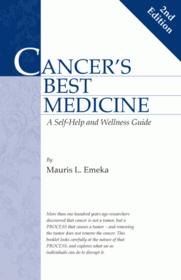
This 64-page self-help book explains what individuals can do to stop the process of cancer, and in turn prevent malignant tumor symptoms from forming. Since cancer develops because of a problem with the body's metabolism, it is most important to understand that this dreaded disease is closely linked to diet and lifestyle. According to Mr. Emeka, the cure for cancer will continue to be a mystery as long as it is insisted that cancer is solved by simply shrinking or removing the malignant tumor(s). Upon reading this book it becomes clear that less attention should be given to the local nature of cancer and more focus put on the malfunctioning process that causes malignant tumors to form.
Topics covered in "Cancer's Best Medicine" include the benefits of deep green leafy vegetable juicing, Essiac tea, apricot kernels (the source of laetrile), flaxseed oil and cottage cheese, UNREFINED VIRGIN COCONUT OIL , and stress reducing measures, to mention a few. It also discusses how to accomplish the following: 1.) make the body chemistry less acidic and more alkaline, 2.) strengthen the immune system, and 3.) introduce more digestive enzymes and oxygen into the body. These things are said to be crucial for creating an environment where the process of cancer cannot thrive. This book is a 'back to basics' approach for nourishing the body to enhance its own healing power. And the good news is that each person can choose to nourish his or her body with foods and lifestyle practices that fortify it against the ravaging affects of cancer.
"Cancer's Best Medicine," second edition, is Mr. Emeka's third book on the subject of cancer and diet. It includes an index, a recipe section, bibliography, and an extensive Q & A section. Read it and discover a wealth of information that can help unleash the body's healing power. It is available from:
Apollo Publishing,
P.O. Box 1937,
Port Orchard, WA 98366,
porter41@silverlink.net,
www.cancernomore.com
also available from bookstores, including Amazon.com.
PORT ORCHARD, WA, Feb 19, 2009 (MARKET WIRE via COMTEX) -- Mauris Emeka has published a groundbreaking work on cancer, titled "Cancer's Best Medicine -- A Self-Help and Wellness Guide," second edition. "We are losing the war on cancer; our approach is all wrong," says Emeka. He points out that the malignant tumor commonly thought to be 'the cancer' is but a symptom of cancer. The book notes that cancer itself is the process that causes the tumor symptoms. It further notes that conventional treatment almost always ignores one proven fact: the fact that cancer is a chronic metabolic disease arising from dietary deficiencies.
This 64-page self-help book explains what individuals can do to stop the process of cancer, and in turn prevent malignant tumor symptoms from forming. Since cancer develops because of a problem with the body's metabolism, it is most important to understand that this dreaded disease is closely linked to diet and lifestyle. According to Mr. Emeka, the cure for cancer will continue to be a mystery as long as it is insisted that cancer is solved by simply shrinking or removing the malignant tumor(s). Upon reading this book it becomes clear that less attention should be given to the local nature of cancer and more focus put on the malfunctioning process that causes malignant tumors to form.
Topics covered in "Cancer's Best Medicine" include the benefits of deep green leafy vegetable juicing, Essiac tea, apricot kernels (the source of laetrile), flaxseed oil and cottage cheese, UNREFINED VIRGIN COCONUT OIL , and stress reducing measures, to mention a few. It also discusses how to accomplish the following: 1.) make the body chemistry less acidic and more alkaline, 2.) strengthen the immune system, and 3.) introduce more digestive enzymes and oxygen into the body. These things are said to be crucial for creating an environment where the process of cancer cannot thrive. This book is a 'back to basics' approach for nourishing the body to enhance its own healing power. And the good news is that each person can choose to nourish his or her body with foods and lifestyle practices that fortify it against the ravaging affects of cancer.
"Cancer's Best Medicine," second edition, is Mr. Emeka's third book on the subject of cancer and diet. It includes an index, a recipe section, bibliography, and an extensive Q & A section. Read it and discover a wealth of information that can help unleash the body's healing power. It is available from:
Apollo Publishing,
P.O. Box 1937,
Port Orchard, WA 98366,
porter41@silverlink.net,
www.cancernomore.com
also available from bookstores, including Amazon.com.
Thursday, 29 January 2009
Three Reasons to Love Coconut Oil
Natural News
Tuesday, January 27, 2009 by: Matt Monarch, citizen journalist
If you can manage to buy truly raw, unheated, unprocessed coconut oil, you will love it as if it were your own child. Granted, yes, that may be a slight exaggeration, but for a raw foodist, or somebody that likes to eat and live as naturally and healthily as possible, coconut oil is a must-have. Here are four ways in which you can successfully use coconut oil.
On your skin: Coconut oil is easily absorbed into the skin and is 100% natural. Even if you wash your face solely with water, the natural oils can still be lost from the skin, due to the various pollutants that are in the air and to extreme weather conditions. Coconut oil puts the protective oil back into the skin, and although it's not your own oil which your skin produces, the coconut oil has its own protective qualities. Our skin needs oil to remain elastic, and normal clinical moisturizers have mainly water and only a small amount of highly refined oil, which will not have any natural protective qualities. Also, coconut oil has antiseptic qualities, warding off bacterial and fungal infections.
In your raw desserts: coconut oil is the perfect addition to many raw desserts. Because raw foodists don't cook anything in order to bind them, they must find other ways to bind the ingredients in a raw dessert. Coconut oil is liquid at room temperature and solid below 76 degrees F (24.5 degrees C), so you can let it sit out for a few hours before making your dessert and then mix it up with whatever the other ingredients are (e.g. hazelnut meal, cacao powder and dates). Then, just pop the mixture in the fridge. The end result will be a fudgey type consistency with a faint taste of fresh coconut.
For weight-loss: most people who are aware and up to date with their nutritional facts do know that there are fats which the body needs in order to function correctly, and also that fat consumed does not necessarily lead to an increase in body fat. Saying that, fat does have more calories than protein and carbohydrates, so you have to go a little bit easy. However, it is thought that the fat in coconut oil actually behaves differently to most other plant fats and can actually lead to weight-loss. Coconut oil contains medium chain fatty acids, as opposed to long chain fatty acids, which is said to be burned up by the body for energy, instead of being stored as fat. Furthermore, study conclusions are also telling us that the fat in coconut oil may lead to an increase in metabolism.
One jar of coconut oil can have multiple uses, but make sure that it's raw and extra-virgin coconut oil, so that it retains all of its health giving properties.
Sources:
http://en.wikipedia.org/wiki/Coconu...
http://www.therawfoodworld.com/prod...
Tuesday, January 27, 2009 by: Matt Monarch, citizen journalist
If you can manage to buy truly raw, unheated, unprocessed coconut oil, you will love it as if it were your own child. Granted, yes, that may be a slight exaggeration, but for a raw foodist, or somebody that likes to eat and live as naturally and healthily as possible, coconut oil is a must-have. Here are four ways in which you can successfully use coconut oil.
On your skin: Coconut oil is easily absorbed into the skin and is 100% natural. Even if you wash your face solely with water, the natural oils can still be lost from the skin, due to the various pollutants that are in the air and to extreme weather conditions. Coconut oil puts the protective oil back into the skin, and although it's not your own oil which your skin produces, the coconut oil has its own protective qualities. Our skin needs oil to remain elastic, and normal clinical moisturizers have mainly water and only a small amount of highly refined oil, which will not have any natural protective qualities. Also, coconut oil has antiseptic qualities, warding off bacterial and fungal infections.
In your raw desserts: coconut oil is the perfect addition to many raw desserts. Because raw foodists don't cook anything in order to bind them, they must find other ways to bind the ingredients in a raw dessert. Coconut oil is liquid at room temperature and solid below 76 degrees F (24.5 degrees C), so you can let it sit out for a few hours before making your dessert and then mix it up with whatever the other ingredients are (e.g. hazelnut meal, cacao powder and dates). Then, just pop the mixture in the fridge. The end result will be a fudgey type consistency with a faint taste of fresh coconut.
For weight-loss: most people who are aware and up to date with their nutritional facts do know that there are fats which the body needs in order to function correctly, and also that fat consumed does not necessarily lead to an increase in body fat. Saying that, fat does have more calories than protein and carbohydrates, so you have to go a little bit easy. However, it is thought that the fat in coconut oil actually behaves differently to most other plant fats and can actually lead to weight-loss. Coconut oil contains medium chain fatty acids, as opposed to long chain fatty acids, which is said to be burned up by the body for energy, instead of being stored as fat. Furthermore, study conclusions are also telling us that the fat in coconut oil may lead to an increase in metabolism.
One jar of coconut oil can have multiple uses, but make sure that it's raw and extra-virgin coconut oil, so that it retains all of its health giving properties.
Sources:
http://en.wikipedia.org/wiki/Coconu...
http://www.therawfoodworld.com/prod...
Down streaming of coconut encouraged in Solomons
SOLOMON STAR - National News
Wednesday, 28 January 2009
SOLOMON Islanders have been encouraged to engage in the coconut down stream processing as the country prepares to cease copra export next year.
The Commodities Export Marketing Authority’s (CEMA) Development and Extension Officer Alfred Ramo uttered the encouragement at the handing over of a manual coconut pressing machine to the Ontong Java Farmers Association, in Honiara, last week.
A local distributor, Set Marketing & Advertising Agency, provided the equipment to the association at the cost of $20,000. The equipment will allow farmers to extract pure virgin oil.
Mr Ramo told the association members that there would be no more copra exports as of next year.
He encouraged local farmers to venture into downstream processing of coconut product.
"One of the products is pure coconut virgin oil," he said.
Mr Ramo commended the association for its initiative to produce pure coconut oil over the years. It is a step in the right direction in preparation for the changes.
"This is a right move and a step into achieving what CEMA wants to see in the country as of next year," he said.
Throughout the world, he said, many countries have ventured into producing their own pure coconut oil.
If more rural farmers produce pure coconut oil, he said, the country would not import coconut oil overseas. In return, the farmers would earn money from the export and sales of their products.
The export of copra was halted because coconut mills in Europe, which usually buy copra from Solomon Islands, have closed down and concentrated on importing coconut oil.
Solomon Islands has no option but to be part of this world-wide undertaking. Solomon Islands will be processing copra to produce oil to attract higher prices.
The coconut oil production, he said, will also benefit exporters in terms of volume, freight and monetary returns. This process attracted higher returns compared to copra production.
Mr Ramo said the move is in line with CEMA's plans. CEMA had previously established six copra crashing mills throughout the country.
The mills were established in Tenaru on Guadalcanal, Gojoruru on Isabel, Kaonasughu on Makira, Malu'u on Malaita, Lata in Temotu Province, Tarakukure on Choiseul and Noro in the Western Province.
By MOFFAT MAMU
Wednesday, 28 January 2009
SOLOMON Islanders have been encouraged to engage in the coconut down stream processing as the country prepares to cease copra export next year.
The Commodities Export Marketing Authority’s (CEMA) Development and Extension Officer Alfred Ramo uttered the encouragement at the handing over of a manual coconut pressing machine to the Ontong Java Farmers Association, in Honiara, last week.
A local distributor, Set Marketing & Advertising Agency, provided the equipment to the association at the cost of $20,000. The equipment will allow farmers to extract pure virgin oil.
Mr Ramo told the association members that there would be no more copra exports as of next year.
He encouraged local farmers to venture into downstream processing of coconut product.
"One of the products is pure coconut virgin oil," he said.
Mr Ramo commended the association for its initiative to produce pure coconut oil over the years. It is a step in the right direction in preparation for the changes.
"This is a right move and a step into achieving what CEMA wants to see in the country as of next year," he said.
Throughout the world, he said, many countries have ventured into producing their own pure coconut oil.
If more rural farmers produce pure coconut oil, he said, the country would not import coconut oil overseas. In return, the farmers would earn money from the export and sales of their products.
The export of copra was halted because coconut mills in Europe, which usually buy copra from Solomon Islands, have closed down and concentrated on importing coconut oil.
Solomon Islands has no option but to be part of this world-wide undertaking. Solomon Islands will be processing copra to produce oil to attract higher prices.
The coconut oil production, he said, will also benefit exporters in terms of volume, freight and monetary returns. This process attracted higher returns compared to copra production.
Mr Ramo said the move is in line with CEMA's plans. CEMA had previously established six copra crashing mills throughout the country.
The mills were established in Tenaru on Guadalcanal, Gojoruru on Isabel, Kaonasughu on Makira, Malu'u on Malaita, Lata in Temotu Province, Tarakukure on Choiseul and Noro in the Western Province.
By MOFFAT MAMU
Friday, 23 January 2009
Why is Coconut oil unique and unlike any other fat?
NATURAL NEWS - Natural Foods, Natural Living
Friday, November 30, 2007 by: Teya Skae, citizen journalist
Coconut oil is made up of medium-chain fatty acids (MCFA’s). Two-thirds of the saturated fat in coconut oil is a medium-chain saturated fat. This important fact deserves clarification as MCFA’s actually helps us to lose weight, lower cholesterol, improve diabetic conditions and reduce the risk of heart disease.
One of the most outstanding benefits of consuming MCFA’s is that they do not require the liver and gallbladder to digest and emulsify them. This means instant energy and increased thermogenesis (increased metabolic rate in the body) which leads to more heat production as well as improved circulation. For anyone with impaired fat digestion or a removed gallbladder, coconut oil is the only oil to consume as it is very easily digested.
MCFA’s are also known for having antimicrobial and anti-fungal properties, so they are beneficial to our immune system. In addition, coconut oil assists people with under-active thyroids by increasing the metabolic rate of the body and creating more energy.
Ray Peat Ph.D., a physiologist who has worked with progesterone and related hormones since 1968, says that the sudden surge of polyunsaturated oils in the food chain post World War II has caused many changes in hormones. He writes:
Their [polyunsaturated oils] best understood effect is their interference with the function of the thyroid gland. Polyunsaturated oils block thyroid hormone secretion, its movement in the circulatory system, and the response of tissues to the hormone. When the thyroid hormone is deficient, the body is generally exposed to increased levels of oestrogen. The thyroid hormone is essential for making the ‘protective hormones’ progesterone and pregnenolone, so these hormones are lowered when anything interferes with the function of the thyroid. The thyroid hormone is required for using and eliminating cholesterol, so cholesterol is likely to be raised by anything that blocks the thyroid function (http://www.efn.org/~raypeat/efatox.rtf)
It is very interesting to note that high cholesterol is not a sign of eating too much saturated fat. High cholesterol in a lot of the cases is due to an under-active thyroid which affects the liver as well as the many loops and feedback systems within the endocrine system. Stress and the over consumption of carbohydrates/sugars also form high levels of cholesterol.
What are saturated fats and why do we need them?
Saturated fats are semi solid at room temperature and are found in animal products such as meat, poultry, lard, poultry skin, whole milk, cheese, eggs, butter and tropical oils such as coconut and palm oil.
Our body actually needs saturated fats to stay healthy. Why?
1) Saturated fats constitute at least 50% of our cell’s membranes - the phospholipid component of every cell. Saturated fatty acids are what gives our cells structural integrity, so the cell walls are not weak and can protect the inside of the cells.
2) Saturated fatty acids play a vital role in the health of our bones. For calcium to be effectively utilized by the bones, at least 50% of the dietary fats should be saturated.
3) Saturated fatty acids actually lower Lipoprotein (a), a substance in the blood that leads to heart disease, whereas excess consumption of vegetable oils increases it.
4) Saturated fatty acids protect the liver from alcohol and other toxins, including Tylenol, a pain reliever.
5) Saturated fatty acids are needed for the proper utilization of omega-3 essential fatty acids because omega-3’s are better retained in the tissues when the diet is rich in saturated fats (particularly organic virgin coconut oil)
6) Saturated stearic acid found in beef and cocoa, and palmitic acid found in coconut oil are the preferred foods for the heart; which is why the fat around the heart muscle is highly saturated. The heart draws on this reserve of fat in times of stress.
7) Saturated fatty acids such as caprylic acid found abundantly in coconut oil, is anti fungal and helps combat candida (yeast overgrowth that is common in our society).
8) While saturated fats raise both the bad and the good cholesterol, TFA’s as well as excess consumption of omega-6 fatty acids raise the bad Low Density Lipo-protein (LDL) and suppress the good High Density Lipo-protein (HDL) cholesterol, making it even worse.
In conclusion, avoiding TFA’s is a must. There are no tolerance levels. They are serious culprits of degenerative conditions disguised in some of the most tempting foods to date. Avoiding over consumption of polyunsaturated oils (omega-6 fatty acids) such as flax oil and completely avoiding corn, soy, safflower and canola is a great start, as polyunsaturated oils have been shown to contribute to heart disease, inflammation, under-active thyroid and weight gain.
Use virgin organic coconut oil. I stress the importance of using only virgin organic coconut oil because the refined version of coconut oil no longer has the same structure and same health benefits as the virgin organic coconut oil. In fact, consuming plain coconut oil can even give someone a headache or nausea.
The food manufacturers will not willingly return to using naturally saturated fats such as coconut oil, palm oil, butter and lard because they are more expensive. Only a concerted demand by educated consumers will bring traditional healthy fats back into our commercial food supply and restaurant cooking.
Using organic coconut oil in all cooking and baking is the best choice for a healthy alternative. Because virgin coconut oil is completely saturated and no TFA’s can be made from it, it is therefore harmless. In addition, it does not oxidize, even at 170degrees Celsius.
Virgin Coconut oil is the fat of fats as it also helps us burn body fat for energy because of its unique molecular structure of medium chain fatty acids. So do enjoy eating more organic virgin coconut oil, drinking organic coconut milk/crème in your teas as well as pouring it over your porridge and munching on macaroons made from organic cocoa and desiccated organic coconut for health and longevity.
References
Keys, A., "Diet and Development of Coronary Heart Disease", J. Chron. Dis. 4(4):364-380, October 1956
Rekha Balu, “Trans Fat: Taste Buds Cry ‘Yes!’ but Arteries Demur,” The Wall Street Journal, June 8, 1998
Lynn Roblin, “Not all fats are created equal,” The Toronto Star Health Talk, June 24, 1998
Fred Tasker, “A Churning Controversy,” The Washington Post Health, June 2, 1997
Mary G. Enig PhD. Know Your Fats: The Complete Primer for Understanding the Nutrition of Fats, Oils and Cholesterol(Bethesda Press 2000)
Sally Fallon and Mary G. Enig, PhD Nourishing Traditions: The Cookbook that Challenges Politically Correct Nutrition and the Diet Dictocrats (NewTrends Publishing 2000, www.newtrendspublishing.com
www.mercola.com/2006/dec/26/the-health-harming-confusion-about-saturated-fats.htm
The Healing Miracles of Coconut Oil, by Bruce Fife (Piccadilly Books, 2001).
Eat Fat Look Thin by Bruce Fife (Piccadilly Books, 2002).
Friday, November 30, 2007 by: Teya Skae, citizen journalist
Coconut oil is made up of medium-chain fatty acids (MCFA’s). Two-thirds of the saturated fat in coconut oil is a medium-chain saturated fat. This important fact deserves clarification as MCFA’s actually helps us to lose weight, lower cholesterol, improve diabetic conditions and reduce the risk of heart disease.
One of the most outstanding benefits of consuming MCFA’s is that they do not require the liver and gallbladder to digest and emulsify them. This means instant energy and increased thermogenesis (increased metabolic rate in the body) which leads to more heat production as well as improved circulation. For anyone with impaired fat digestion or a removed gallbladder, coconut oil is the only oil to consume as it is very easily digested.
MCFA’s are also known for having antimicrobial and anti-fungal properties, so they are beneficial to our immune system. In addition, coconut oil assists people with under-active thyroids by increasing the metabolic rate of the body and creating more energy.
Ray Peat Ph.D., a physiologist who has worked with progesterone and related hormones since 1968, says that the sudden surge of polyunsaturated oils in the food chain post World War II has caused many changes in hormones. He writes:
Their [polyunsaturated oils] best understood effect is their interference with the function of the thyroid gland. Polyunsaturated oils block thyroid hormone secretion, its movement in the circulatory system, and the response of tissues to the hormone. When the thyroid hormone is deficient, the body is generally exposed to increased levels of oestrogen. The thyroid hormone is essential for making the ‘protective hormones’ progesterone and pregnenolone, so these hormones are lowered when anything interferes with the function of the thyroid. The thyroid hormone is required for using and eliminating cholesterol, so cholesterol is likely to be raised by anything that blocks the thyroid function (http://www.efn.org/~raypeat/efatox.rtf)
It is very interesting to note that high cholesterol is not a sign of eating too much saturated fat. High cholesterol in a lot of the cases is due to an under-active thyroid which affects the liver as well as the many loops and feedback systems within the endocrine system. Stress and the over consumption of carbohydrates/sugars also form high levels of cholesterol.
What are saturated fats and why do we need them?
Saturated fats are semi solid at room temperature and are found in animal products such as meat, poultry, lard, poultry skin, whole milk, cheese, eggs, butter and tropical oils such as coconut and palm oil.
Our body actually needs saturated fats to stay healthy. Why?
1) Saturated fats constitute at least 50% of our cell’s membranes - the phospholipid component of every cell. Saturated fatty acids are what gives our cells structural integrity, so the cell walls are not weak and can protect the inside of the cells.
2) Saturated fatty acids play a vital role in the health of our bones. For calcium to be effectively utilized by the bones, at least 50% of the dietary fats should be saturated.
3) Saturated fatty acids actually lower Lipoprotein (a), a substance in the blood that leads to heart disease, whereas excess consumption of vegetable oils increases it.
4) Saturated fatty acids protect the liver from alcohol and other toxins, including Tylenol, a pain reliever.
5) Saturated fatty acids are needed for the proper utilization of omega-3 essential fatty acids because omega-3’s are better retained in the tissues when the diet is rich in saturated fats (particularly organic virgin coconut oil)
6) Saturated stearic acid found in beef and cocoa, and palmitic acid found in coconut oil are the preferred foods for the heart; which is why the fat around the heart muscle is highly saturated. The heart draws on this reserve of fat in times of stress.
7) Saturated fatty acids such as caprylic acid found abundantly in coconut oil, is anti fungal and helps combat candida (yeast overgrowth that is common in our society).
8) While saturated fats raise both the bad and the good cholesterol, TFA’s as well as excess consumption of omega-6 fatty acids raise the bad Low Density Lipo-protein (LDL) and suppress the good High Density Lipo-protein (HDL) cholesterol, making it even worse.
In conclusion, avoiding TFA’s is a must. There are no tolerance levels. They are serious culprits of degenerative conditions disguised in some of the most tempting foods to date. Avoiding over consumption of polyunsaturated oils (omega-6 fatty acids) such as flax oil and completely avoiding corn, soy, safflower and canola is a great start, as polyunsaturated oils have been shown to contribute to heart disease, inflammation, under-active thyroid and weight gain.
Use virgin organic coconut oil. I stress the importance of using only virgin organic coconut oil because the refined version of coconut oil no longer has the same structure and same health benefits as the virgin organic coconut oil. In fact, consuming plain coconut oil can even give someone a headache or nausea.
The food manufacturers will not willingly return to using naturally saturated fats such as coconut oil, palm oil, butter and lard because they are more expensive. Only a concerted demand by educated consumers will bring traditional healthy fats back into our commercial food supply and restaurant cooking.
Using organic coconut oil in all cooking and baking is the best choice for a healthy alternative. Because virgin coconut oil is completely saturated and no TFA’s can be made from it, it is therefore harmless. In addition, it does not oxidize, even at 170degrees Celsius.
Virgin Coconut oil is the fat of fats as it also helps us burn body fat for energy because of its unique molecular structure of medium chain fatty acids. So do enjoy eating more organic virgin coconut oil, drinking organic coconut milk/crème in your teas as well as pouring it over your porridge and munching on macaroons made from organic cocoa and desiccated organic coconut for health and longevity.
References
Keys, A., "Diet and Development of Coronary Heart Disease", J. Chron. Dis. 4(4):364-380, October 1956
Rekha Balu, “Trans Fat: Taste Buds Cry ‘Yes!’ but Arteries Demur,” The Wall Street Journal, June 8, 1998
Lynn Roblin, “Not all fats are created equal,” The Toronto Star Health Talk, June 24, 1998
Fred Tasker, “A Churning Controversy,” The Washington Post Health, June 2, 1997
Mary G. Enig PhD. Know Your Fats: The Complete Primer for Understanding the Nutrition of Fats, Oils and Cholesterol(Bethesda Press 2000)
Sally Fallon and Mary G. Enig, PhD Nourishing Traditions: The Cookbook that Challenges Politically Correct Nutrition and the Diet Dictocrats (NewTrends Publishing 2000, www.newtrendspublishing.com
www.mercola.com/2006/dec/26/the-health-harming-confusion-about-saturated-fats.htm
The Healing Miracles of Coconut Oil, by Bruce Fife (Piccadilly Books, 2001).
Eat Fat Look Thin by Bruce Fife (Piccadilly Books, 2002).
Subscribe to:
Posts (Atom)