Showing posts with label australian organic virgin coconut oil. Show all posts

Tuesday, 16 June 2009

Twelve Creative Ways to Use Coconut Oil

In the past several years, coconut oil has become a sort of rising star in the world of health food. More and more homes have a jar of organic extra virgin coconut oil on their pantry shelf. But coconut oil is more than a healthy cooking alternative. There are endless ways to use coconut oil that extend far beyond the occasional cookie or stir-fry.

Here are twelve creative uses for a classic health food:

Colds and Sore Throats - Coconut oil has antimicrobial properties that can help you recover from a cold. Mix it with warm tea and honey for a very soothing throat remedy.

Cuts and Scrapes - Coconut oil can be used as a topical cream for common cuts and scrapes, protecting against infection while conditioning the skin to heal faster. It may also prevent scarring.

Dandruff - Several times per week, coat your fingertips with coconut oil and massage it into your scalp for an easy dandruff cure. This is an effective yet gentle method, suitable for young children or babies with cradle cap, too.

Deodorant - You can use coconut oil by itself as a deodorant that leaves underarms feeling silky soft, or you can add baking soda and cornstarch for advanced odor protection.

Detoxification - There are many methods for detoxifying the body, but coconut oil is unique because it can provide energy while cleansing the body. One popular method is to take 1-2 tablespoon of coconut oil seven times per day for one to seven days to cleanse the body from toxins, impurities and candida.

Fungal Infections - Coconut oil contains strong antifungal agents, and can be used to treat fungal infections like athlete's foot, ringworm, thrush and vaginal yeast infections. You can use it internally and topically for these conditions.

Hair Conditioner - Apply a thin layer of coconut oil to your scalp and hair. Allow it to soak for several minutes and then wash as usual. There is no need to use other conditioners with this method, even after washing with shampoo.

Lip Balm - Lip moisturizers are filled with chemicals, and natural products are often pricey. If you need a moisturizer for your lips, try coconut oil in a commercial lip balm container.

Make-up Remover - Coconut oil is a very effective make-up remover, so you can toss out all the chemical-laden products from the drug store. It's also a natural moisturizer, so it won't cause dryness or irritation.

Skin Conditions - Since coconut oil is moisturizing, antimicrobial, antifungal and anti-inflammatory, it's a great natural remedy for all kinds of skin problems ranging from eczema to acne to diaper rash.

Sun screen - Coconut oil provides effective and natural sun protection without exposing your body to the toxic chemicals and metals in conventional sun block. Coconut oil protects against free radicals, which provides added protection against skin cancer.

Toothpaste - Mix an equal amount of coconut oil and baking soda for an all-natural, fluoride-free toothpaste. Add spearmint or peppermint oil with stevia for a fresh, sweet flavor.

As you can see, there is more to coconut oil that what meets the eye - or the frying pan!


(NaturalNews) Friday, June 12, 2009 by: Elizabeth Walling, citizen journalist Email this author

Friday, 17 April 2009

7 Secrets to Speeding Up Your Metabolism

The key to speeding up your metabolism is to re-ignite the furnace inside of you through proper nutrition and exercising.

For many of us, busy and stressful lives have slowed down our metabolism, leading to sluggishness, weight gain, and a long list of health issues. In honor of National Nutrition Month, I’d like to remedy this situation by offering seven helpful tips.

The key to speeding up your metabolism is to re-ignite the furnace inside of you through proper nutrition and exercising. Eating is vital, a key to a healthy metabolism; it’s impossible to jumpstart your metabolism by not eating.

And it’s crucial to adapt a healthy eating style before beginning any exercise regimen, especially if you’ve been sedentary for a while. By improving your nutrition before incorporating any type of strenuous exercise (other than walking), you’ll ensure blood flow to the heart is smooth.

7 helpful tips to speed up your metabolism through good nutritional practices:

Eat protein at each meal to keep your body in calorie-burning mode and your glycemic index as low as possible. Protein helps stabilize blood sugar levels. Focus a little less on meat, and more on protein-containing vegetables, since meat is harder on the digestive system and non-organic meats may contain hormones, steroids, and other unwanted ingredients. Protein-containing foods include red meats, poultry, fish, beans, eggs, and green vegetables such as spinach, romaine lettuce, kale, and green cabbage. Spirulina, or blue-green algae is an excellent source of plant protein.

Drink plenty of water. Half your body weight in ounces daily will help your body’s detoxification process. For example, if you weigh 150 pounds, that would be 75 ounces of water each day (i.e. nine or ten 8 oz. glasses).

Eat at least two large servings of uncooked dark, leafy greens daily. Raw green vegetables clean and deodorize the blood, tissues, cells, and organs. In addition to fresh, uncooked, green vegetables, you can also buy green powdered drinks at the health food store and/or green tablets such as Perfect Food by Garden of Life.

Incorporate good fat at every meal. Contrary to what most people believe, good fats don’t make you fat; instead, they help burn fat. Good fats include extra virgin olive oil, nuts and seeds, and avocados. In addition, organic butter, extra virgin coconut oil for cooking and frying, and almond butter. Good fats can help lower cholesterol and blood sugar, ward off depression, and provide natural anti-inflammatories. Good fats also help to keep blood sugar in check. A small amount with each meal is all it takes.

Eat unprocessed, natural whole foods as much as possible. Processed foods sustain life, but do nothing to promote health. Eat as much living food – foods without labels – as possible: organic leafy green vegetables, fruits, nuts and seeds, seaweed, grasses and sprouts. These foods energize because they’re full of vitamins, minerals, and enzymes; they also help bring down inflammation, the root cause of every disease.

Eat organic foods whenever possible. They’re free of antibiotics and growth hormones, which is crucial to good health. Antibiotics push out the good bacteria in your body, and lower your line of defense against other toxic invaders like alcohol, tobacco, sugar, coffee, and products that contain chemicals, preservatives, pesticides, herbicides and the like. This, in turn, lowers your immune system, and the bad bacteria can begin to multiply causing a host of health problems such as chronic yeast overgrowth.

Avoid Shellfish. They’re called bottom feeders because they absorb all the sea’s pollutants, and are high in mercury and other contaminants. Shellfish have no excretory system, so by eating them, you’re ingesting all the nasty, dead, polluted things they’ve ever eaten.

These 7 ways to speed your metabolism can revolutionize your nutrition, and result in much improved health. Of course, there’s more to good health, including exercise, supplements, managing stress, getting adequate sleep, and making sure you’re emotionally healthy. But as far as nutrition goes, simply implement the above tips, and you’ll be on your way to a much healthier you!

Media ContactsKrystal CollazoWDC Media PR1-786-566-2452KCwdcmedia@gmail.comhttp://www.wdcmedia.comSusan M. ZahnWDC Media PRToll-Free: 1-877-862-3600E-Mail: office2@wdcmedia.comWebsite: www.wdcmedia.com

Friday, 6 March 2009

Treat eczema with coconut oil

Eczema is a dermatological term for extra dry or inflamed skin. Its also known as: atopic eczema, atopic dermatitis and infantile eczema. Eczema is a chronic skin disorder characterized by itching rashes, which may be red, scaly, dry, or leathery.

Eczema is usually a persistent, itchy skin condition consisting of skin dryness and inflammation (manifested by redness of the skin, crusting and thickening of the skin). Eczema is an inflammation of the skin and may be associated with an allergic reaction, although the cause is often unknown. Eczema is a commonly inherited condition; it often affects people with a family history of allergies, such as allergic rhinitis and asthma. Research into the cause of eczema is still in the beginning stages.Many people do not realize that eczema is not contagious and a child might be unnecessarily sent home from school. Atopic eczema is a chronic, recurring condition with flares (which are active or new patches of eczema) and remissions (when eczema is not as active). An attack of eczema is usually described as acute or chronic, but the only distinction lies in the greater or less intensity of the inflammation at the time of description.

It doesnt have anything to do with the length of time that the disease has lasted. A severe attack of eczema is usually accompanied by some slight constitutional disturbance, but the general health seldom suffers appreciably, unless, as occasionally, the itching is so bad as to make sleep impossible. However, eczema is actually dermatitis that is in advanced, more serious stages.Childhood eczema is sometimes found behind the knee or in the bend of an elbow and will often completely clear up by the time the child reaches puberty. Irritant Contact Eczema is caused by contact with a substance that could be encountered daily, such as soaps, certain chemicals, and detergents. Varicose Eczema is a condition found in the lower leg.

In adults, eczema is commonly located on the inner elbow or behind the knee. Other more serious types of eczema include nummular, discoid and dyshidrotic.The use of coconut oil is found beneficial for healing eczema or dermatitis. Unprocessed organic virgin coconut oil soothes immediately and goes to work on healing eczema, dermatitis or just about any skin condition.

Coconut oil is composed predominately of medium-chain fatty acids (MCFA), also known as medium-chain triglycerides (MCT). It is the MCFA that give coconut oil its healing benefits. The majority of fats and oils in our diets, whether they are saturated or unsaturated or come from animals or plants, are composed of long-chain fatty acids (LCFA). Some 98 to 100% of all the fatty acids you consume are LCFA.MCFA are very different from LCFA. They do not have any negative effect on cholesterol and hence, protect the body against from any form of heart disease. MCFA help to lower the risk of both atherosclerosis and heart disease. There are only a very few good dietary sources of MCFA. By far the best sources are from coconut and palm kernel oils.Lauric acid, known for its antiviral and antibacterial properties, contributes about 50% of the fatty acid in coconut fat. Lauric acid, which is also contained in mothers milk, is the most essential fatty acid for the building of an immune system.

In the body, it is converted to monolaurin, a powerful monoglyceride that destroys lipid-coated viruses (such as cytomegalovirus, HIV, herpes, and influenza) as well as pathogenic bacteria.Coconut Oil To Heal Eczema Skin The MCFA help restore damaged skin, by penetrating into the cell structures of the connective tissues. Hence, it is excellent as a natural eczema treatment, for other skin disorders as well as for anti-ageing purposes. It also helps prevent the skin from developing liver spots, by destroying free radical formation.MCFA in coconut oil help to prevent fungal and bacterial infections in the skin. At least one type of bacterium feeds on the sebum of our skin, breaking down the tryglycerides of the coconut oil into free fatty acids. When they are broken apart into free fatty acids, they become powerful antimicrobials, killing disease-causing bacteria, viruses, and fungi.

The combination of the slightly acid pH of the skin and the MCFA provides a protective chemical layer on the skin that prevents infection from disease-causing organisms. When you bathe or shower, ordinary soap tends to wash off the acid mantle of your skin. Applying coconut oil helps to restore the protective layer of your skin. It helps to reduce any inflammation and is healing to wounds, blood blisters and rashes.

(Asia Pulse Data Source via COMTEX)
Karachi, Mar 04, 2009

Wednesday, 25 February 2009

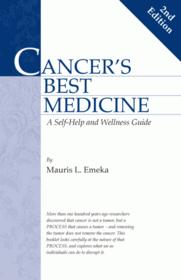
Cancer's Best Medicine - including Virgin Coconut Oil

Apollo Publishing Releases "Cancer's Best Medicine," Second Edition Latest News Wall Street Journal

PORT ORCHARD, WA, Feb 19, 2009 (MARKET WIRE via COMTEX) -- Mauris Emeka has published a groundbreaking work on cancer, titled "Cancer's Best Medicine -- A Self-Help and Wellness Guide," second edition. "We are losing the war on cancer; our approach is all wrong," says Emeka. He points out that the malignant tumor commonly thought to be 'the cancer' is but a symptom of cancer. The book notes that cancer itself is the process that causes the tumor symptoms. It further notes that conventional treatment almost always ignores one proven fact: the fact that cancer is a chronic metabolic disease arising from dietary deficiencies.


This 64-page self-help book explains what individuals can do to stop the process of cancer, and in turn prevent malignant tumor symptoms from forming. Since cancer develops because of a problem with the body's metabolism, it is most important to understand that this dreaded disease is closely linked to diet and lifestyle. According to Mr. Emeka, the cure for cancer will continue to be a mystery as long as it is insisted that cancer is solved by simply shrinking or removing the malignant tumor(s). Upon reading this book it becomes clear that less attention should be given to the local nature of cancer and more focus put on the malfunctioning process that causes malignant tumors to form.

Topics covered in "Cancer's Best Medicine" include the benefits of deep green leafy vegetable juicing, Essiac tea, apricot kernels (the source of laetrile), flaxseed oil and cottage cheese, UNREFINED VIRGIN COCONUT OIL , and stress reducing measures, to mention a few. It also discusses how to accomplish the following: 1.) make the body chemistry less acidic and more alkaline, 2.) strengthen the immune system, and 3.) introduce more digestive enzymes and oxygen into the body. These things are said to be crucial for creating an environment where the process of cancer cannot thrive. This book is a 'back to basics' approach for nourishing the body to enhance its own healing power. And the good news is that each person can choose to nourish his or her body with foods and lifestyle practices that fortify it against the ravaging affects of cancer.

"Cancer's Best Medicine," second edition, is Mr. Emeka's third book on the subject of cancer and diet. It includes an index, a recipe section, bibliography, and an extensive Q & A section. Read it and discover a wealth of information that can help unleash the body's healing power. It is available from:

Apollo Publishing,
P.O. Box 1937,
Port Orchard, WA 98366,
porter41@silverlink.net,
www.cancernomore.com

also available from bookstores, including Amazon.com.

Thursday, 29 January 2009

Three Reasons to Love Coconut Oil

Natural News
Tuesday, January 27, 2009 by: Matt Monarch, citizen journalist

If you can manage to buy truly raw, unheated, unprocessed coconut oil, you will love it as if it were your own child. Granted, yes, that may be a slight exaggeration, but for a raw foodist, or somebody that likes to eat and live as naturally and healthily as possible, coconut oil is a must-have. Here are four ways in which you can successfully use coconut oil.

On your skin: Coconut oil is easily absorbed into the skin and is 100% natural. Even if you wash your face solely with water, the natural oils can still be lost from the skin, due to the various pollutants that are in the air and to extreme weather conditions. Coconut oil puts the protective oil back into the skin, and although it's not your own oil which your skin produces, the coconut oil has its own protective qualities. Our skin needs oil to remain elastic, and normal clinical moisturizers have mainly water and only a small amount of highly refined oil, which will not have any natural protective qualities. Also, coconut oil has antiseptic qualities, warding off bacterial and fungal infections.

In your raw desserts: coconut oil is the perfect addition to many raw desserts. Because raw foodists don't cook anything in order to bind them, they must find other ways to bind the ingredients in a raw dessert. Coconut oil is liquid at room temperature and solid below 76 degrees F (24.5 degrees C), so you can let it sit out for a few hours before making your dessert and then mix it up with whatever the other ingredients are (e.g. hazelnut meal, cacao powder and dates). Then, just pop the mixture in the fridge. The end result will be a fudgey type consistency with a faint taste of fresh coconut.

For weight-loss: most people who are aware and up to date with their nutritional facts do know that there are fats which the body needs in order to function correctly, and also that fat consumed does not necessarily lead to an increase in body fat. Saying that, fat does have more calories than protein and carbohydrates, so you have to go a little bit easy. However, it is thought that the fat in coconut oil actually behaves differently to most other plant fats and can actually lead to weight-loss. Coconut oil contains medium chain fatty acids, as opposed to long chain fatty acids, which is said to be burned up by the body for energy, instead of being stored as fat. Furthermore, study conclusions are also telling us that the fat in coconut oil may lead to an increase in metabolism.

One jar of coconut oil can have multiple uses, but make sure that it's raw and extra-virgin coconut oil, so that it retains all of its health giving properties.

Sources:

http://en.wikipedia.org/wiki/Coconu...
http://www.therawfoodworld.com/prod...

Friday, 23 January 2009

Why is Coconut oil unique and unlike any other fat?

NATURAL NEWS - Natural Foods, Natural Living
Friday, November 30, 2007 by: Teya Skae, citizen journalist


Coconut oil is made up of medium-chain fatty acids (MCFA’s). Two-thirds of the saturated fat in coconut oil is a medium-chain saturated fat. This important fact deserves clarification as MCFA’s actually helps us to lose weight, lower cholesterol, improve diabetic conditions and reduce the risk of heart disease.

One of the most outstanding benefits of consuming MCFA’s is that they do not require the liver and gallbladder to digest and emulsify them. This means instant energy and increased thermogenesis (increased metabolic rate in the body) which leads to more heat production as well as improved circulation. For anyone with impaired fat digestion or a removed gallbladder, coconut oil is the only oil to consume as it is very easily digested.

MCFA’s are also known for having antimicrobial and anti-fungal properties, so they are beneficial to our immune system. In addition, coconut oil assists people with under-active thyroids by increasing the metabolic rate of the body and creating more energy.

Ray Peat Ph.D., a physiologist who has worked with progesterone and related hormones since 1968, says that the sudden surge of polyunsaturated oils in the food chain post World War II has caused many changes in hormones. He writes:

Their [polyunsaturated oils] best understood effect is their interference with the function of the thyroid gland. Polyunsaturated oils block thyroid hormone secretion, its movement in the circulatory system, and the response of tissues to the hormone. When the thyroid hormone is deficient, the body is generally exposed to increased levels of oestrogen. The thyroid hormone is essential for making the ‘protective hormones’ progesterone and pregnenolone, so these hormones are lowered when anything interferes with the function of the thyroid. The thyroid hormone is required for using and eliminating cholesterol, so cholesterol is likely to be raised by anything that blocks the thyroid function (http://www.efn.org/~raypeat/efatox.rtf)
It is very interesting to note that high cholesterol is not a sign of eating too much saturated fat. High cholesterol in a lot of the cases is due to an under-active thyroid which affects the liver as well as the many loops and feedback systems within the endocrine system. Stress and the over consumption of carbohydrates/sugars also form high levels of cholesterol.

What are saturated fats and why do we need them?

Saturated fats are semi solid at room temperature and are found in animal products such as meat, poultry, lard, poultry skin, whole milk, cheese, eggs, butter and tropical oils such as coconut and palm oil.

Our body actually needs saturated fats to stay healthy. Why?

1) Saturated fats constitute at least 50% of our cell’s membranes - the phospholipid component of every cell. Saturated fatty acids are what gives our cells structural integrity, so the cell walls are not weak and can protect the inside of the cells.

2) Saturated fatty acids play a vital role in the health of our bones. For calcium to be effectively utilized by the bones, at least 50% of the dietary fats should be saturated.

3) Saturated fatty acids actually lower Lipoprotein (a), a substance in the blood that leads to heart disease, whereas excess consumption of vegetable oils increases it.

4) Saturated fatty acids protect the liver from alcohol and other toxins, including Tylenol, a pain reliever.

5) Saturated fatty acids are needed for the proper utilization of omega-3 essential fatty acids because omega-3’s are better retained in the tissues when the diet is rich in saturated fats (particularly organic virgin coconut oil)

6) Saturated stearic acid found in beef and cocoa, and palmitic acid found in coconut oil are the preferred foods for the heart; which is why the fat around the heart muscle is highly saturated. The heart draws on this reserve of fat in times of stress.

7) Saturated fatty acids such as caprylic acid found abundantly in coconut oil, is anti fungal and helps combat candida (yeast overgrowth that is common in our society).

8) While saturated fats raise both the bad and the good cholesterol, TFA’s as well as excess consumption of omega-6 fatty acids raise the bad Low Density Lipo-protein (LDL) and suppress the good High Density Lipo-protein (HDL) cholesterol, making it even worse.

In conclusion, avoiding TFA’s is a must. There are no tolerance levels. They are serious culprits of degenerative conditions disguised in some of the most tempting foods to date. Avoiding over consumption of polyunsaturated oils (omega-6 fatty acids) such as flax oil and completely avoiding corn, soy, safflower and canola is a great start, as polyunsaturated oils have been shown to contribute to heart disease, inflammation, under-active thyroid and weight gain.

Use virgin organic coconut oil. I stress the importance of using only virgin organic coconut oil because the refined version of coconut oil no longer has the same structure and same health benefits as the virgin organic coconut oil. In fact, consuming plain coconut oil can even give someone a headache or nausea.

The food manufacturers will not willingly return to using naturally saturated fats such as coconut oil, palm oil, butter and lard because they are more expensive. Only a concerted demand by educated consumers will bring traditional healthy fats back into our commercial food supply and restaurant cooking.

Using organic coconut oil in all cooking and baking is the best choice for a healthy alternative. Because virgin coconut oil is completely saturated and no TFA’s can be made from it, it is therefore harmless. In addition, it does not oxidize, even at 170degrees Celsius.

Virgin Coconut oil is the fat of fats as it also helps us burn body fat for energy because of its unique molecular structure of medium chain fatty acids. So do enjoy eating more organic virgin coconut oil, drinking organic coconut milk/crème in your teas as well as pouring it over your porridge and munching on macaroons made from organic cocoa and desiccated organic coconut for health and longevity.

References

Keys, A., "Diet and Development of Coronary Heart Disease", J. Chron. Dis. 4(4):364-380, October 1956
Rekha Balu, “Trans Fat: Taste Buds Cry ‘Yes!’ but Arteries Demur,” The Wall Street Journal, June 8, 1998
Lynn Roblin, “Not all fats are created equal,” The Toronto Star Health Talk, June 24, 1998
Fred Tasker, “A Churning Controversy,” The Washington Post Health, June 2, 1997
Mary G. Enig PhD. Know Your Fats: The Complete Primer for Understanding the Nutrition of Fats, Oils and Cholesterol(Bethesda Press 2000)
Sally Fallon and Mary G. Enig, PhD Nourishing Traditions: The Cookbook that Challenges Politically Correct Nutrition and the Diet Dictocrats (NewTrends Publishing 2000, www.newtrendspublishing.com
www.mercola.com/2006/dec/26/the-health-harming-confusion-about-saturated-fats.htm
The Healing Miracles of Coconut Oil, by Bruce Fife (Piccadilly Books, 2001).
Eat Fat Look Thin by Bruce Fife (Piccadilly Books, 2002).

Saturday, 20 December 2008

Virgin Coconut Oil: From Fiji Isles, to Australia and now the World!


NATURE PACIFC was founded in Australia in 2004 as a joint venture to market Virgin Coconut Oil being made by Banaban families in Fiji.


NATURE PACIFIC directors Ken Sigrah and Stacey King were already involved in the natural health industry in Australia since 1997 with direct links through out the Pacific region importing and exporting raw materials for Australian companies. So marketing the family's Virgin Coconut Oil was a natural progression. Originally they began selling the oil in bulk through out their existing business networks, but at that time even the natural health industry was not fully aware of just how important Virgin Coconut Oil would become. They soon realised that to make Nature Pacific a company that could support the full scale production required to provide a self supporting industry back in Fiji they needed to turn over volume. They also realised that by 'value adding' the raw Virgin Coconut Oil here in Australia was key to producing quality products.

The first product they made were scented body oils based on traditional blends made back on the Island.

The Banabans pride themselves on smelling good with golden glistening skin and hair and coconut oil had always been an essential part of their daily life. From that point on, they marketed their products based on the values and traditions from their Island home and realised that with the development of the BANABAN brand they could also use their products to tell the world about the plight of Ken's people - the Banabans! Today their products are exported worldwide.

If you would like to find some of the great Banaban Virgin Coconut Oil products that are now available go to: Nature Pacific

Monday, 15 December 2008

Fitness Celebrity & Weight Loss Success Story Jennifer Nicole Lee ...

Fitness Celebrity & Weight Loss Success Story Jennifer Nicole Lee Reaches Out to Oprah Winfrey in her Recent Weight Gain Plight

12 December 2008

"First of all, I would get Oprah off of the all vegan diet and off soy milk ASAP. We all know that Oprah needs a sufficient amount of lean proteins, healthy whole grain carbs, and more fruits and vegetables. What I know that other so called weight loss experts don't is that she (Oprah) needs to really make the mental change and emotional shift regarding food. And with a thyroid problem, all of her soy based foods did not help. Soy raises a woman's estrogen level, thus making her hoard onto fat, not allowing her body to release it with diet and exercise."

In addition, JNL would create a specialized weight and strength training program for Oprah to follow at least 4 to 5 days a week. "She needs to recharge her sleeping metabolism and make it burn fat faster with weight training, good for you healthy oils like organic virgin unrefined coconut oil, and other super foods, such as lean red meat," says JNL.

To view full story...